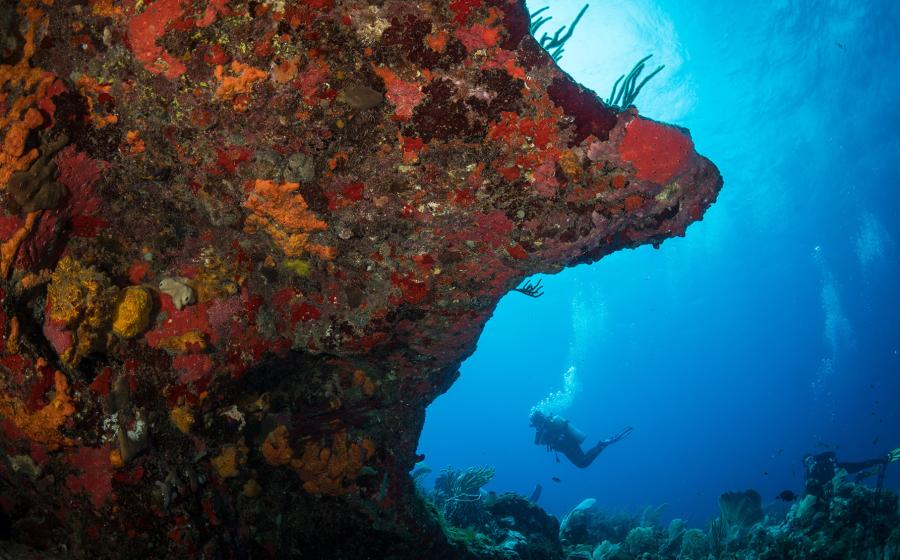
Experience the highlights of Mexico & the Dominican Republic!
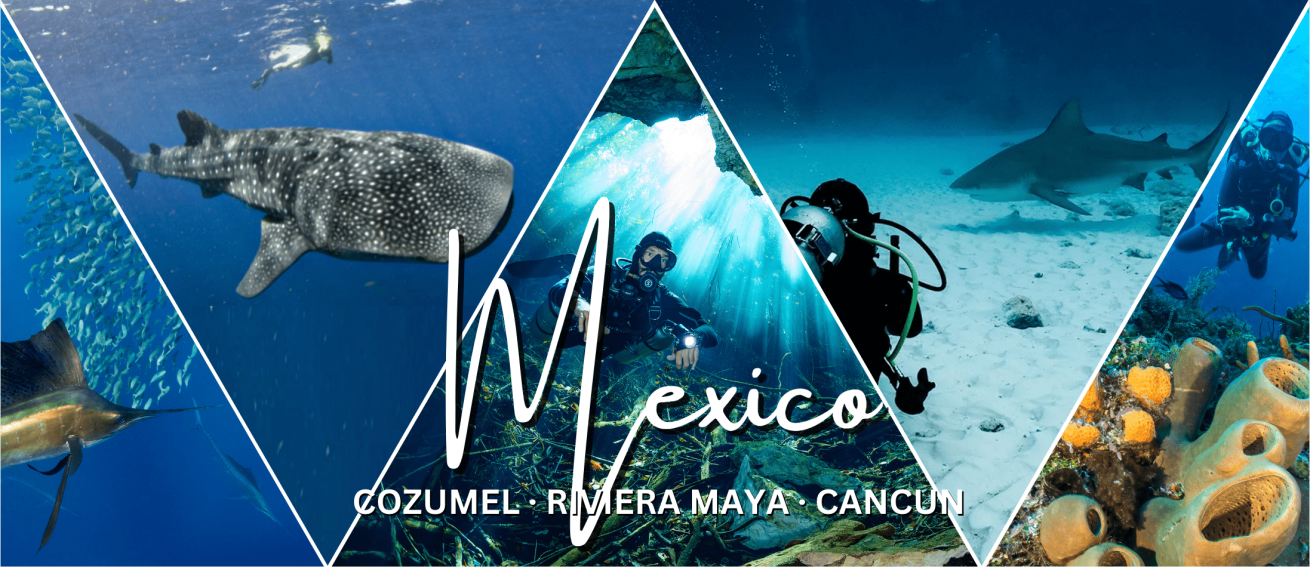
Pro Dive International/ Nowak (sailfish)/ Sandoval (whale shark)/ Poelzer (cenote)/ Segal (bull shark)/ Cohen (Cozumel)Highlights of Mexico
Experience the highlights of Mexico & the Dominican Republic with Pro Dive International!
Let Pro Dive’s multilingual experts tailor your hassle-free dive vacation, incl. stay & dive packages at coveted 4 and 5 star beach resorts and world-class adventures: In MEXICO - diving in the caverns and caves of the famous Yucatan cenotes, at walls in Cozumel, the underwater museum in Cancun, encounters with bull sharks (Nov-Mar), sailfish (Dec-Mar) & whale sharks (Jun-Sep). In the DOMINICAN REPUBLIC - Saona & Catalina Island dive and snorkel excursions. In BOTH DESTINATIONS - courses from beginner to pro, snorkeling and cultural tours for the entire family, and lots more!
Count on unlimited free Nitrox, free group leader, best available rates and hotel discounts.
STAY & DIVE IN COZUMEL/ MEXICO
?. ??????? ??????? ?*
A splendid dive resort adjacent to one of the most beautiful seafloors of the Caribbean and named as some of the world's best dive sites by Jacques Cousteau. All you want to do here is stay underwater all day.
✓ 5 nights in Superior double room
✓ All-Inclusive meal plan
✓ 3x 2 Tanks
✓ Unlimited FREE Nitrox for certified EANx-Divers
FROM US $821/person
?. ?????????? ??????? ?*
Located in Cozumel’s south at the doorstep to the gorgeous Palancar Reef system, you’ll find an authentic-style estate that delivers all the luxuries of a private oceanside hacienda.
✓ 5 nights in Deluxe double room
✓ All-Inclusive meal plan
✓ 3x 2-tank boat dives
✓ Unlimited FREE Nitrox for certified EANx-Divers
FROM US $911/person
?. ?? ?????????̃? ?*
Facing the Caribbean Sea in the northern end of Cozumel's Hotel Zone, this resort offers an outdoor pool, 2 restaurants and free Wifi in public areas.
✓ 5 nights in Garden view double room
✓ All-Inclusive meal plan
✓ 3x 2-tank dives
✓ Unlimited FREE Nitrox for certified EANx-Divers
FROM US $741/person
?. ????? ??????? ?*
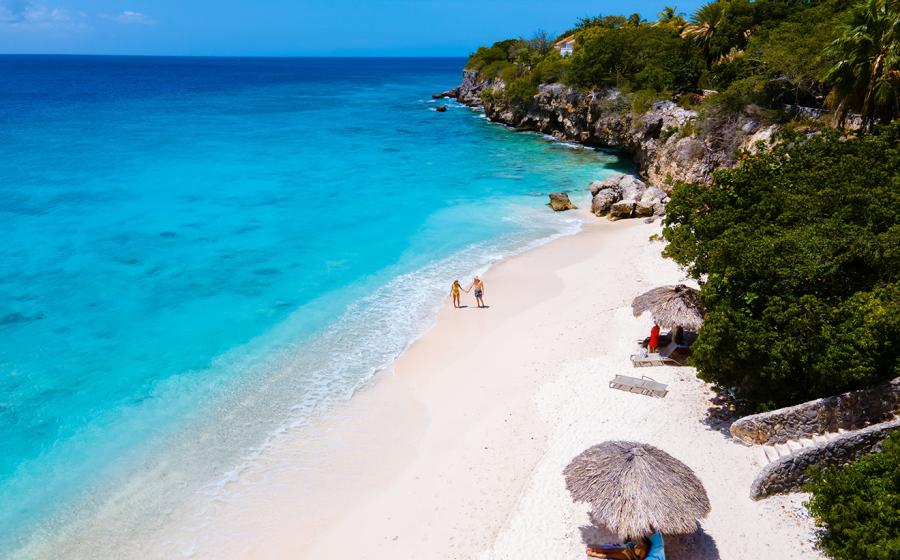
Amidst white sand and turquoise waters, the idyllic hotel is ideal for those who seek a balance of fun entertainment with extensive activities and wellness options.
✓ 5 nights in Garden view double room
✓ All-Inclusive meal plan
✓ 3x 2-tank dives
✓ Unlimited FREE Nitrox for certified EANx-Divers
FROM US $856/person
?. ??? ?????? ??????? ?*
A stay means plenty of fun in the sun thanks to the private beach access, as well as two outdoor pools and a Sky Lounge - the highest on the island.
✓ 5 nights Classic double room
✓ All-Inclusive meal plan
✓ 3x 2-tank dives
✓ Unlimited FREE Nitrox for certified EANx-Divers
FROM US $1,011/person
STAY & DIVE ON THE RIVIERA MAYA & CANCUN/ MEXICO
?. ??????? ???????? ?*
The resort's sun-kissed bungalows located only steps away from downtown Playa del Carmen welcome you to a joyful adventure. Live life to its fullest!
✓ 5 nights inSuperior double room
✓ All-Inclusive meal plan
✓ 6 boat dives
✓ Unlimited FREE Nitrox for certified EANx-Divers
FROM US $1,025/person
?. ????? ???????? ???????? - ????? ???? ?*
This idyllic and multi-awarded adult-only resort in the heart of Playa del Carmen fuses service and style into a luxurious blend that redefines the word vacation.
✓ 5 nights in Luxury double room
✓ All-Inclusive meal plan
✓ 5 Tanks +1 FREE
✓ 1 Cenotes dive excursion (2 tanks from package)
✓ Unlimited FREE Nitrox for certified EANx-Divers
FROM US $1,631/person
?. ????????? ????? ?????? ?*
This fantastic family beach retreat with its vibrant colors and palapa roofs surrounded by the native jungle makes this resort the perfect place to spend a wonderful vacation.
✓ 5 nights in Premium double room 128 USD pppn (24Aug - 31st Oct)
✓ All-Inclusive meal plan
✓ 6 boat dives
✓ Unlimited FREE Nitrox for certified EANx-Divers
FROM US $951/person
?. ????????? ??????? ???? ?*
Embedded in the wonderful Puerto Aventuras community, 15 min south of Playa del Carmen, this fantastic family resort offers magnificent facilities, excellent service, and a great variety of cuisine.
✓ 5 nights in Comfort room 112 USD pppn (24th Aug - 31st Oct)
✓ All-Inclusive meal plan
✓ 2 local reef dives
✓ 2 days 2-tank dives Cenotes
✓ Unlimited FREE Nitrox for certified EANx-Divers
FROM US $1,049/person
??. ?????????? ?? ?????? ??????????? ?*
A spectacular mix of lush jungle gardens, riverbeds, several swimming pools, a private cove with soft white sand, tropical palm trees, and authentic culture await.
✓ 5 nights in Deluxe double room
✓ All-Inclusive meal plan
✓ 5+1 FREE boat dives
✓ 15% OFF cenote supplement
✓ Unlimited FREE Nitrox for certified EANx-Divers
FROM US $1,026/person
??. ????????? ????? ????? - ????? ???? ?*
Away from the crowds, this adults only resort is located on one of the most beautiful white sand beaches in the Riviera Maya, surrounded by nature, and at the cenotes' doorstep.
✓ 5 nights in Premium double room
✓ All-Inclusive meal plan
✓ 5 Tanks +1 FREE
✓ 1 Cenotes dive excursion (2 tanks from package)
✓ Unlimited FREE Nitrox for certified EANx-Divers
FROM US $1,106/person
??. ?????? ????????? ??????? ???? ?*
Nestled on a secluded bay in a charming, yacht-studded marina village, the renovated Dreams Aventuras Riviera Maya is an unforgettable escape to the tropics with fun for the entire family.
✓ 5 nights in Deluxe pool view room
✓ All-Inclusive meal plan
✓ 2 local reef dives
✓ 2 days x 2-tank dives Cenotes
✓ FREE NITROX for certified EANx-Divers
FROM US $1,289/person
??. ????????? ????? ????? ??????? ?*
Set alongside one of the most picturesque beaches in Mexico in the north of Cancun, Catalonia Costa Mujeres' high-end facilities promise a tropical paradise for couples and families.
✓ 5 nights in Superior Suite double room
✓ All-Inclusive meal plan
✓ 6 boat dives, incl. MUSA
✓ Unlimited FREE Nitrox for certified EANx-Divers
FROM US $1,051/person
STAY & DIVE IN BAYAHIBE/ DOMINICAN REPUBLIC
??. ????????? ???????? ?*
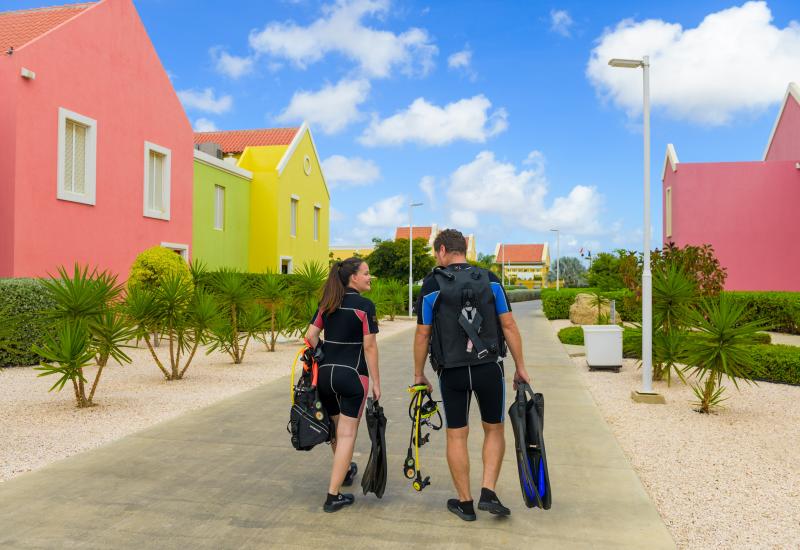
White, sandy beaches and evergreen gardens with palm trees and hibiscus flowers that spread between sixteen colored, two-story villas for a cheerful vacation at the diving hotspot Bayahibe.
✓ 5 nights in Comfort view double room
✓ All-Inclusive meal plan
✓ 2 local reef dives
✓ 2x 2-tank dive excursions Saona/ Catalina
✓ Unlimited FREE Nitrox for certified EANx-Divers
FROM US $949/person
??. ????????? ????? ?? ?????? - ????? ???? ?*
The exclusive adult-only beach front resort located in Bayahibe/ Dominican Republic is all about details, a personalized service and a royal experience.
✓ 5 nights in Superior double room
✓ All-Inclusive meal plan
✓ 5 Tanks + 1 FREE
✓ 1 Saona or Catalina dive excursion (2 tanks from package)
✓ Unlimited FREE Nitrox for certified EANx-Divers
FROM US $1,020/person
TERMS & CONDITIONS
Conditions apply. Packages are valid for 2023, subject to availability and based on double occupancy. Please contact us for your tailored package, more information, additional promotions, extensions, combos, group deals, diving courses, and seasonal adventures with whale sharks (Jun-Sep), bull sharks (Nov-Mar) and sailfish (Dec-Mar)!
reservations@prodiveinternational.com · www.prodiveinternational.com/contact-us
Pro Dive's GoPro IDC Mexico is one of the leading PADI CDC's in the Caribbean.
One of the BEST DIVE OPERATORS - CARIBBEAN & ATLANTIC according to Scuba Diving magazine’s 2023 Readers Choice survey! Best overall · Quality of Dive Boats · Quality of Facilities · Quality of Staff · Attention to Safety
Price $741
Package Launch Date/Book From Date Nov 1st, 2022
Package Validity Expiration Date Dec 31st, 2023
Travel must be booked by Nov 1st, 2023
Website https://www.prodiveinternational.com/specials-2023/
Booking Email Address www.prodiveinternational.com/contact-us
Booking Telephone +52 984 745 0763
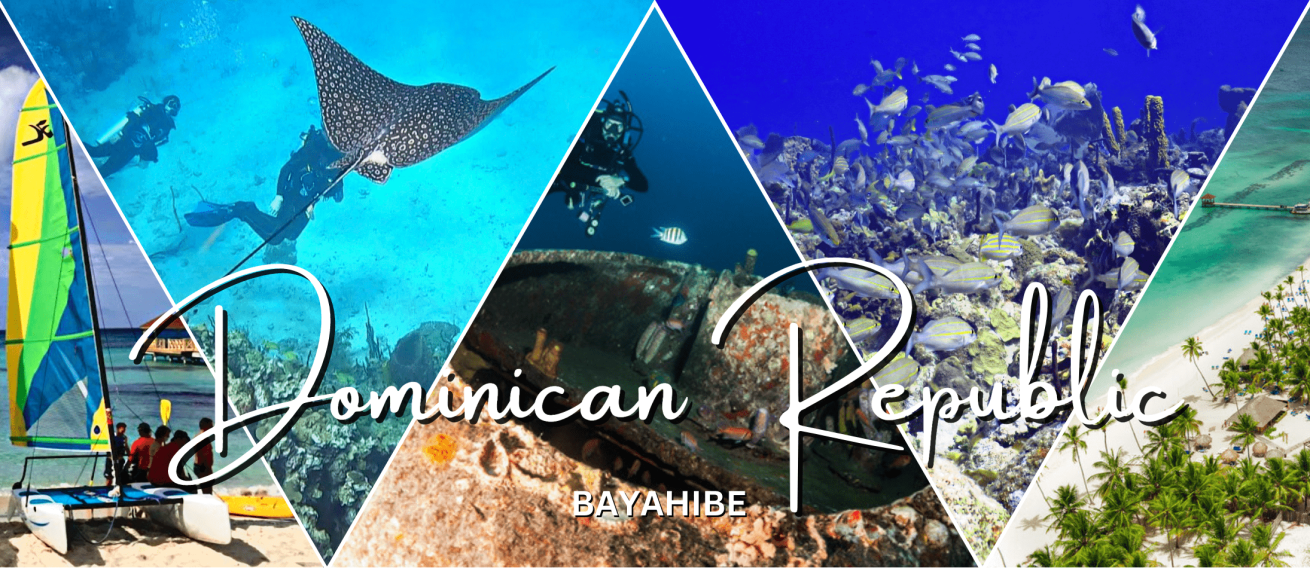
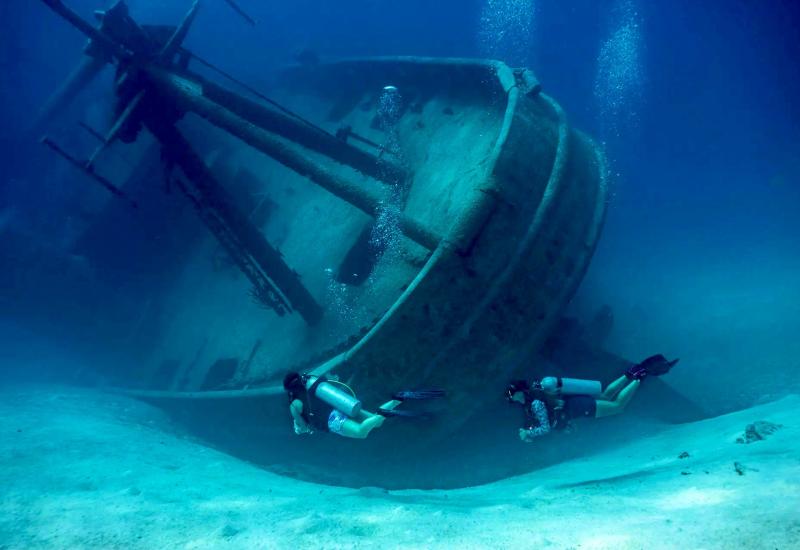
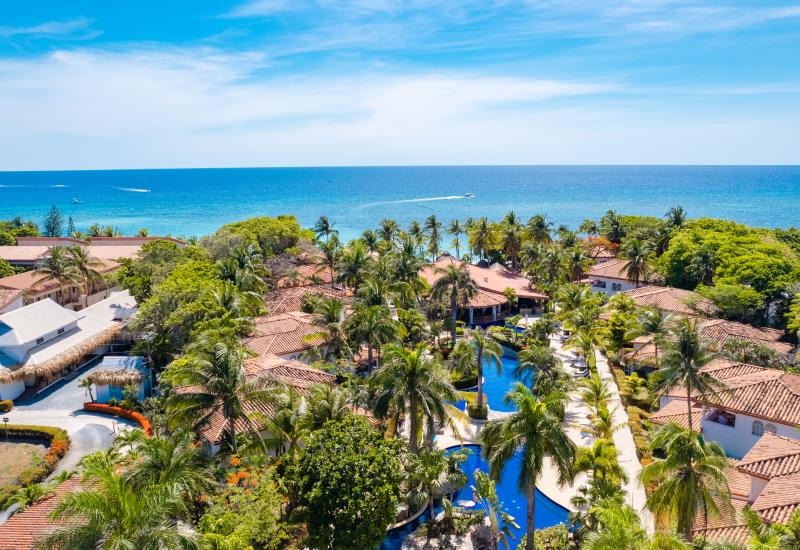
Pro Dive International/ Collins (wreck)/ AguaVivaVideo (reefs)/ Catalonia HotelsHighlights of the Dominican Republic