
60:Second ScubaLab - IST Sports Flexus Wetsuits

IST Sports Flexus
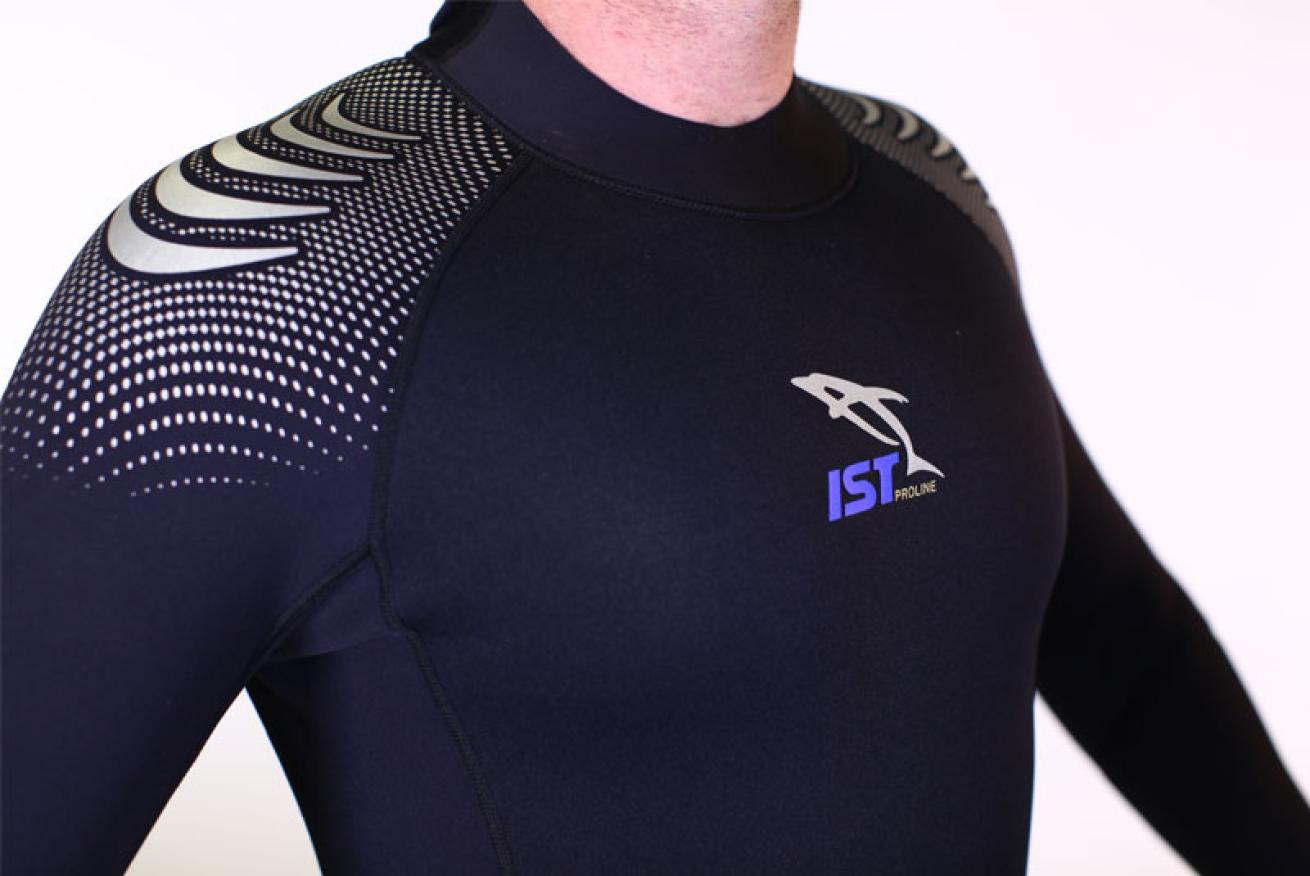
IST’s Flexus jumpsuits are available in three thicknesses—3 mil, 5 mil, and 7 mil—to provide dependable thermal protection in both temperate and tropical waters. The 5 and 7 mil suits are triple glued and double blind-stitched, with the 7 mil offering zippers on the ankles to aid in getting in and out of the suit. All three models come with smooth-skin O-ring seals at the wrists and ankles, and feature adjustable smooth-skin neck seals, a smooth-skin gusset underlaying the rear zipper, nonslip on the shoulders to keep the BC from sliding, and large kneepads to protect the lower legs. And because Flexus neoprene is ultra-stretchy, they all fit like a second skin. Bottom line: available in both mens and womens sizes, IST’s Flexus line of wetsuits deliver excellent exposure protection as well as comfort.
For more information:
IST Sports
ISTIST Sports Flexus
IST’s Flexus jumpsuits are available in three thicknesses—3 mil, 5 mil, and 7 mil—to provide dependable thermal protection in both temperate and tropical waters. The 5 and 7 mil suits are triple glued and double blind-stitched, with the 7 mil offering zippers on the ankles to aid in getting in and out of the suit. All three models come with smooth-skin O-ring seals at the wrists and ankles, and feature adjustable smooth-skin neck seals, a smooth-skin gusset underlaying the rear zipper, nonslip on the shoulders to keep the BC from sliding, and large kneepads to protect the lower legs. And because Flexus neoprene is ultra-stretchy, they all fit like a second skin. Bottom line: available in both mens and womens sizes, IST’s Flexus line of wetsuits deliver excellent exposure protection as well as comfort.
For more information:
IST Sports