
A Day in a Life of Jeff Hester 2013 North American Rolex Scholar
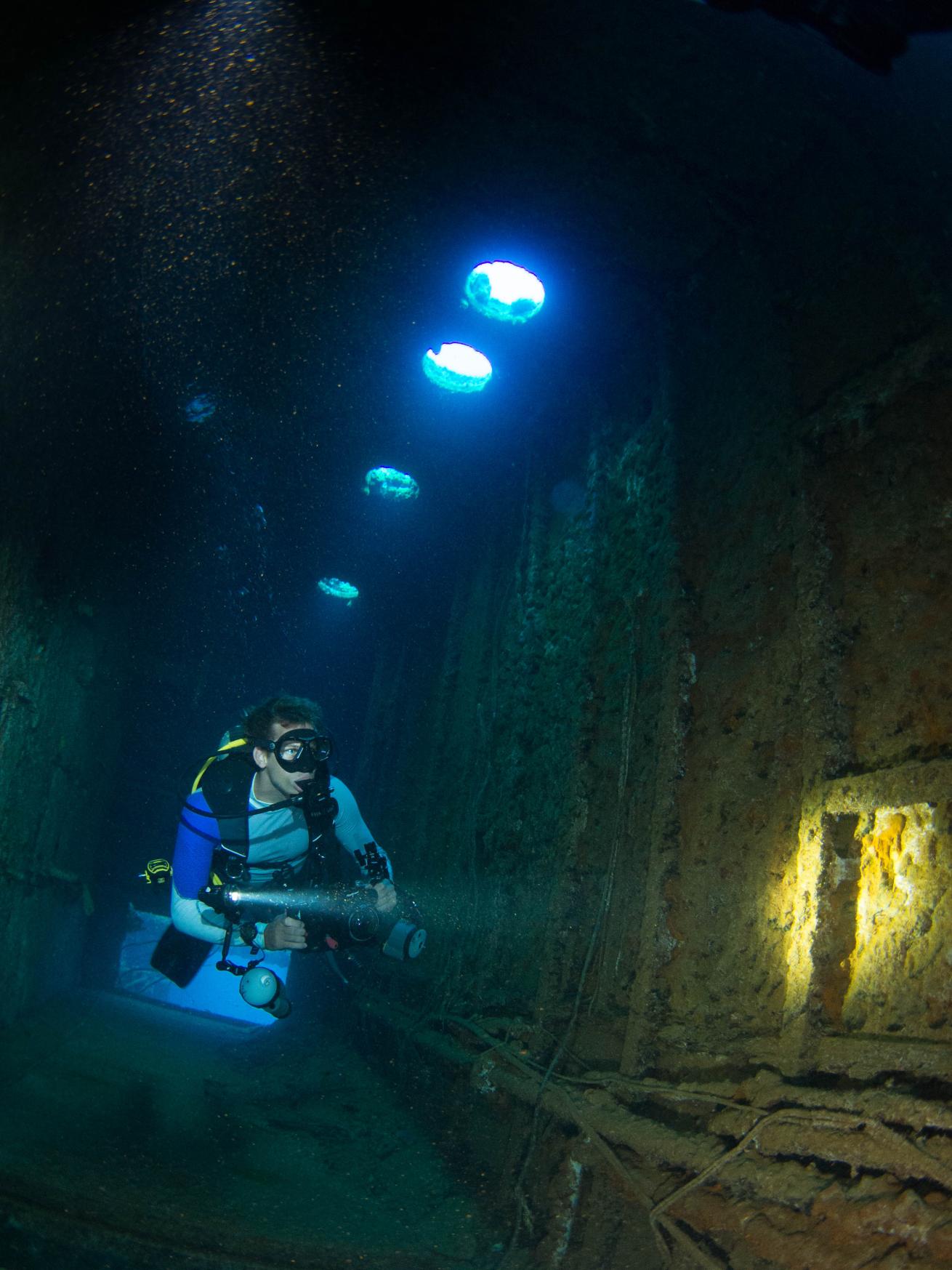
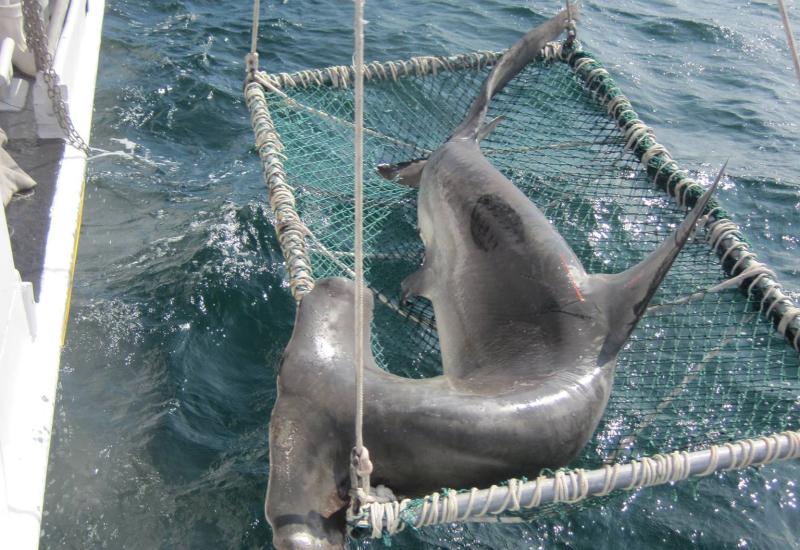
I stop, nestled between two large coral heads along a sloping sand valley that drops off into the abyss. Ahead, there are three gray reef sharks cruising about and edging closer to investigate our group of alien beings. Colorful fish maneuver between enormous sponges and intricate sea whips. I push a button on my wrist-mounted computer, the solenoid fires and adds oxygen to the gas that I am breathing. The unit on my back is an Evolution closed circuit rebreather (CCR), a bright yellow box that contains a single loop of gas, scrubbing the carbon dioxide out and disallowing bubbles to escape from the system. Without bubbles, we were able to take part in the underwater world. No longer fleeing at first sight, the animal’s curiosity invited them to come closer and interact with these strange looking creatures.
Mike Fowler, President of Silent Diving, had invited me out to the island of St. Croix to complete my rebreather training. A week of diving in the warm, turquoise blue, crystal clear waters of the Caribbean… it was a tough choice. Up until that point, the majority of my diving had been done in a 7mm wetsuit with 10 to 30 foot visibility (on a really good day) so I jumped at the chance to descend onto coral reef formations in a rash guard and trunks (don't get me wrong, I still love cold water diving).
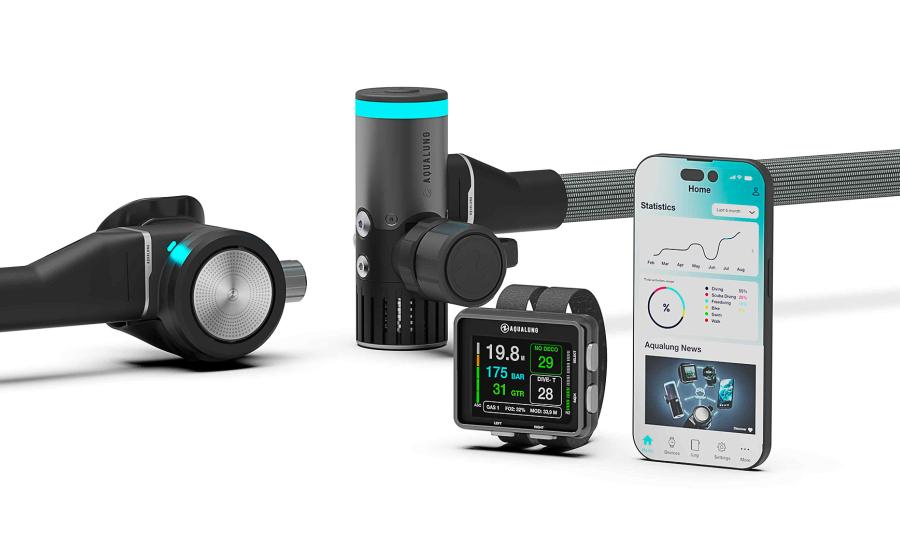
I came not only for the beautiful location but to learn about this different form of SCUBA that would challenge my skills and force me to become a better diver. Along with the advantage of no bubbles is increased bottom time. Additional time underwater is always a plus in my book. There are two tanks mounted within the unit, one pure oxygen tank and the other is a dilutant (in our case, regular air). Two computers constantly monitor the oxygen partial pressure (ppO2) and control the mixing of the two gasses so that the optimal oxygen percentage is constantly achieved. A third computer displays the information and tracks the decompression for the dive. For instance, a diver at 130 ft. would be breathing a 26% nitrox mixture and when ascending to 90 ft., the diver would be breathing a 35% nitrox mixture (all based on a ppO2 set point of 1.3). Pretty cool right?!
The scholarship year has been an incredible adventure thus far full of sea turtles, caves, photography, videography, tons of new skills and awesome hosts/sponsors/friends. I’m looking forward to seeing how the year will play out. Follow along on my blog if you want to take the journey with me at owussnorthamerica.org!
Click here to learn more about the Scholarship program, including how to apply for the 2014 Scholarships: